
Home › Final Settlement
Final Settlement Calculation in Saudi Arabia
What is a Saudi final settlement? It is the last payment owed when employment ends: your EOSB gratuity under Articles 84–85, payout for unused annual leave days, unpaid salary, plus notice pay in lieu if the employer skipped the required notice — minus only documented deductions. Use the calculator below for an itemized estimate.
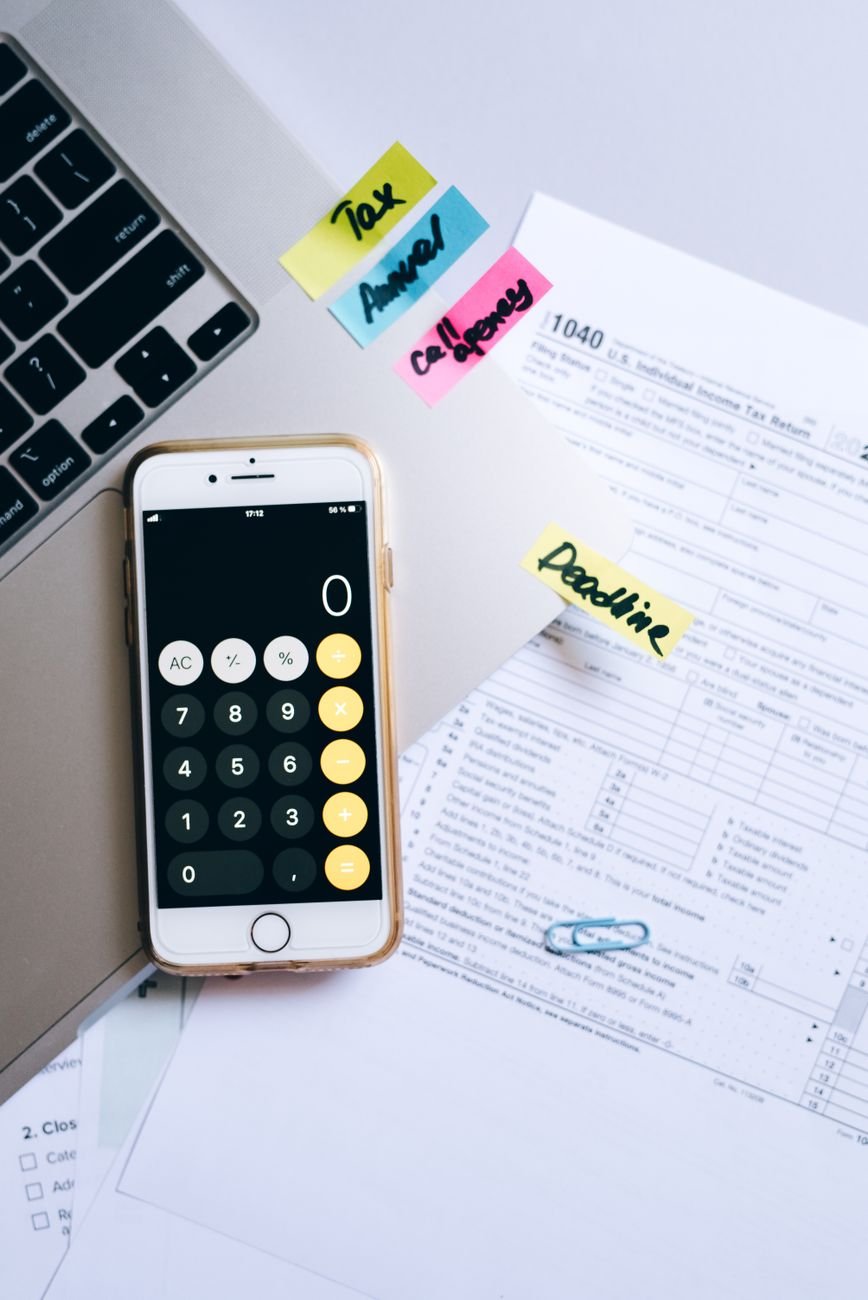
Photo: Pexels free license, photo ID 8962479
Calculate your final settlement ESTIMATE ONLY
How it works: EOSB = Article 84 (15 days/year for years 1–5, 30 days/year after, prorated; daily wage = monthly ÷ 30) with Article 85 resignation tiers applied. Leave encashment = unused days × daily wage. Notice pay in lieu = unpaid notice days × daily wage (see the 2025 asymmetric rule below). All estimates only.
Your final settlement — sometimes called full and final settlement — is the last payment your employer owes you when your employment ends. It is not just your EOSB. It is the sum of everything you are still owed, minus only legitimate, documented deductions. This page is your checklist: go through it line by line before you sign anything, because a signed settlement is very hard to reopen later.
The 5 components of a final settlement
1. Unpaid salary for days worked
Every day you worked up to your last day must be paid, including any salary for the notice period. Check that the daily rate matches your contract: the standard convention is monthly wage ÷ 30 per day.
2. End-of-service benefits (EOSB)
Your gratuity under Article 84: half a month’s wage per year for the first 5 years, one full month per year after, calculated on your last wage (basic salary + fixed allowances such as housing and transport), with partial years prorated. There is no maximum cap. If you resigned, the Article 85 tiers apply (nothing under 2 years, one-third at 2–5 years, two-thirds at 5–10 years, full at 10+). Run your numbers on the EOSB calculator first.
3. Unused annual leave encashment
Annual leave days you earned but never took are normally paid out at separation, at your wage rate per unused day. This is one of the most commonly “forgotten” lines in settlements.
VERIFIED 2026-10-09: Article 109 — 21 days paid annual leave per year, 30 days after 5 consecutive years with the same employer; leave pay due in advance; unused leave paid out at separation. Sources: Labor Law text via Qassim University (qu.edu.sa), Alothman Law, Safwa HR, remotepeople.com.
Your statutory minimum under Article 109: 21 days of paid annual leave per year, rising to 30 days after five consecutive years with the same employer. Leave wages are paid in advance and the employer sets the dates (notifying you at least 30 days ahead) — but unused days must be paid out when employment ends.
Tip: keep your own record of leave days taken versus earned. Employers’ counts and employees’ counts frequently disagree.
4. Return ticket (if your contract requires it)
Many contracts oblige the employer to provide a return flight home at the end of the employment relationship. Check your contract’s exact wording.
FACT-CHECK: the return-ticket obligation's statutory basis and its dependence on how employment ended need verification against the Labor Law/HRSD guidance — do not state as an unconditional rule.
5. Other contractual dues
Anything else your contract or company policy promises on separation: unpaid overtime (see the overtime formula), pending commissions or bonuses, and similar amounts.
| Component | Check against |
|---|---|
| Unpaid salary | Days worked × (monthly wage ÷ 30) |
| EOSB | Calculator — Article 84 / 85 |
| Unused leave payout | Unused days × daily wage — verify your leave record |
| Notice pay in lieu | Unpaid notice days × (monthly wage ÷ 30) — 2025 asymmetric rule, see below |
| Return ticket | Your contract wording |
| Other dues | Contract, payslips, overtime records |
Notice pay in lieu (2025 asymmetric rule)
Since the 2025 amendment, minimum notice for indefinite (open-ended) contracts is asymmetric:
| Who ends the contract | Minimum notice required |
|---|---|
| Worker | At least 30 days |
| Employer | At least 60 days |
If the employer ends the contract without giving the required notice, the missing days are normally owed to you as pay in lieu:
Notice pay in lieu = unpaid notice days × daily wage
Daily wage = last monthly wage ÷ 30. In the calculator above, enter the days of required notice you were not given (and not paid) in the “Unpaid notice days” field.
Fixed-term contracts work differently: expiry and non-renewal follow the Qiwa resignation/contract-closure process under Article 79 Bis — check your contract’s term and the Qiwa flow rather than the 30/60-day figures above. Exact eligibility can depend on contract terms, so verify your case with HRSD or Qiwa.
Deductions: what is and isn’t allowed
An employer may only deduct legitimate, documented amounts — for example salary advances or loans you actually received and agreed in writing to repay, or other debts recorded and acknowledged by you. What employers may not do is deduct arbitrary “penalties,” unexplained charges, or amounts you never agreed to.
FACT-CHECK: statutory limits on deduction amounts and the treatment of recruitment/visa costs charged to the worker need verification against the current Labor Law text and HRSD guidance.
Protect yourself: ask for the deduction list in writing, with a reason for every line. If a deduction has no document behind it, question it before you sign.
Checklist before you sign
- Recalculate your EOSB yourself on the calculator.
- Count your unpaid days and multiply by monthly wage ÷ 30.
- Tally your unused annual leave days and their payout.
- Check your contract for a return ticket or other separation dues.
- Get the deduction list in writing — question anything undocumented.
- Make sure the total matches the sum of the lines above.
- Keep copies of payslips, your contract, and the signed settlement.
FACT-CHECK: commonly cited settlement-payment deadlines (e.g. within 30 days) vary across sources and are not verified — check the current Labor Law text and HRSD guidance.
Frequently asked questions
What should my final settlement in Saudi Arabia include?
A full final settlement normally covers unpaid salary for days worked, your end-of-service benefits under Article 84 (with Article 85 resignation tiers if you resigned), payout for unused annual leave days, a return ticket if your contract requires it, and any other amounts your contract promises.
Do I get paid for my unused vacation days in Saudi Arabia?
Yes. Unused annual leave days are normally paid out when employment ends, at your wage rate for each unused day. Your statutory minimum under Article 109 is 21 days of paid annual leave per year, rising to 30 days after five consecutive years with the same employer. Keep records of the leave days you have actually taken, because employers sometimes count them differently.
Can my employer deduct money from my final settlement?
Only legitimate, documented amounts: salary advances or loans you actually received and agreed in writing to repay, and similar recorded debts. Employers may not deduct arbitrary penalties, and charging the worker for recruitment or visa costs is not permitted. Ask for the deduction list in writing and verify each item.
Who pays for my flight home when I leave Saudi Arabia?
Check your employment contract first: many contracts require the employer to provide a return ticket at the end of the relationship. Confirm your contract’s wording and check HRSD or Qiwa guidance for the current position, because the rule can depend on how the employment ended.
How long does the employer have to pay the final settlement?
Published sources differ on a fixed payment deadline, so treat any number you see online with caution and check the current Labor Law text and HRSD guidance. If payment is delayed, you can raise the matter through the Qiwa platform or HRSD complaint channels.
What should I do if my final settlement amount looks wrong?
Do not sign the settlement until the numbers are right. Recalculate each line yourself, ask your employer for an itemized breakdown in writing, keep copies of your payslips and contract, and escalate to HRSD or Qiwa if the dispute is not resolved.
How does the final settlement calculator work?
Enter your last monthly wage, years and months of service, how the employment ended, your unused annual leave days, and any unpaid notice days. The calculator computes your EOSB under Articles 84 and 85, your leave encashment (unused days × daily wage), and notice pay in lieu (unpaid notice days × daily wage), then adds them into one itemized total.
What is pay in lieu of notice in Saudi Arabia?
For indefinite contracts, the 2025 amendment sets asymmetric notice: the worker must give at least 30 days, the employer at least 60 days. If the employer ends the contract without giving the required notice, the missing days are normally owed as pay in lieu — notice days × daily wage (monthly wage ÷ 30).
Related: EOSB calculator · overtime pay calculator · annual leave encashment calculator · resignation & Article 79 Bis